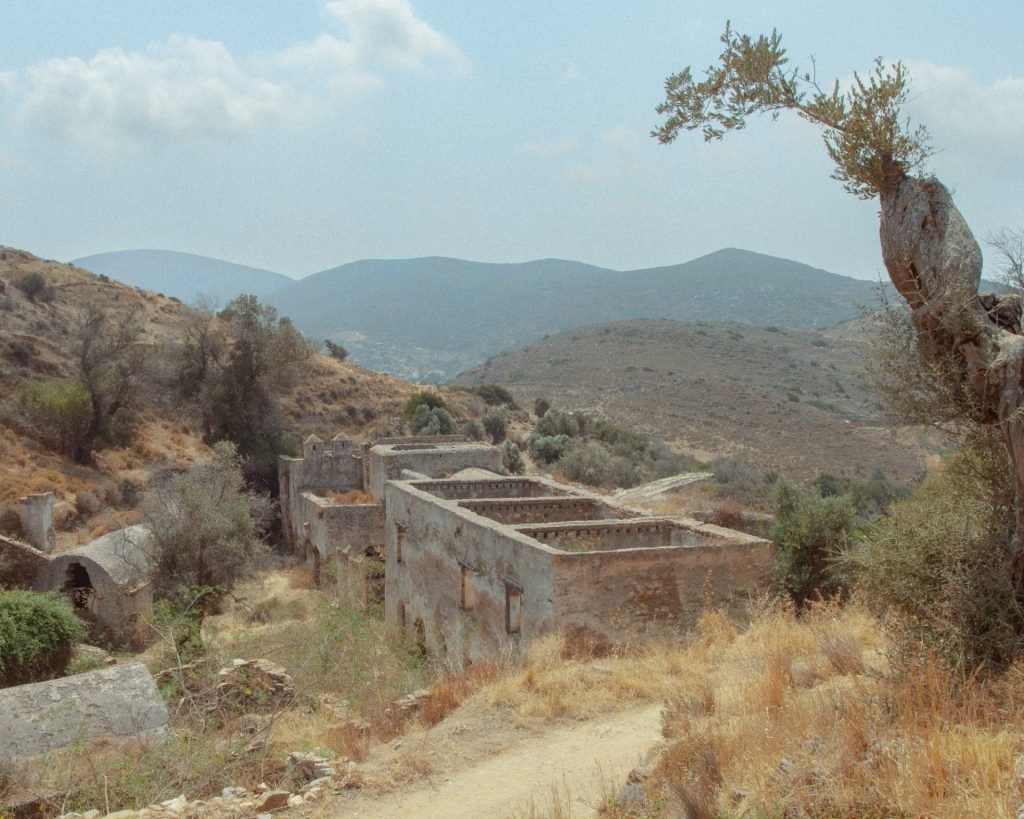
Built in 1673 by the French Jesuit monk Roberto Sauze on the ruins of a Venetian villa,
the Palace at Kalamitsia stands as a rare architectural bridge between Western Baroque elegance and traditional Cycladic stonecraft.
Unlike the humble, fortress-like monasteries typical of the Aegean,
this expansive estate was designed as a luxurious summer retreat and self-sustained agricultural center.
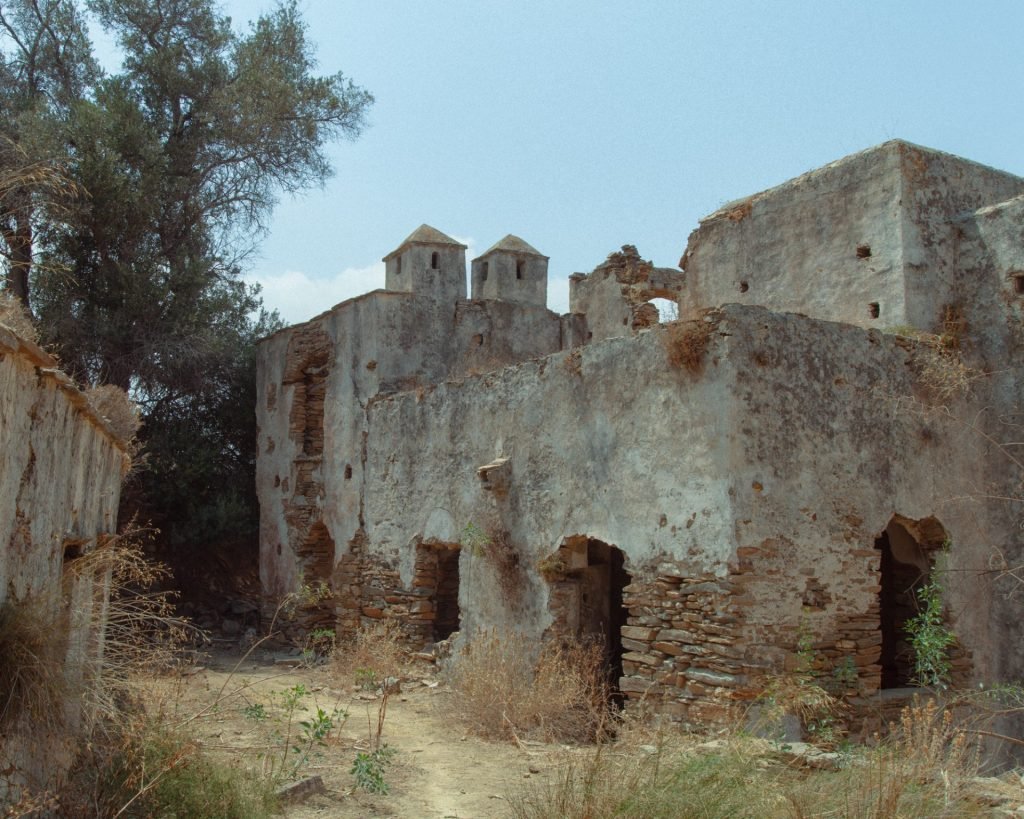
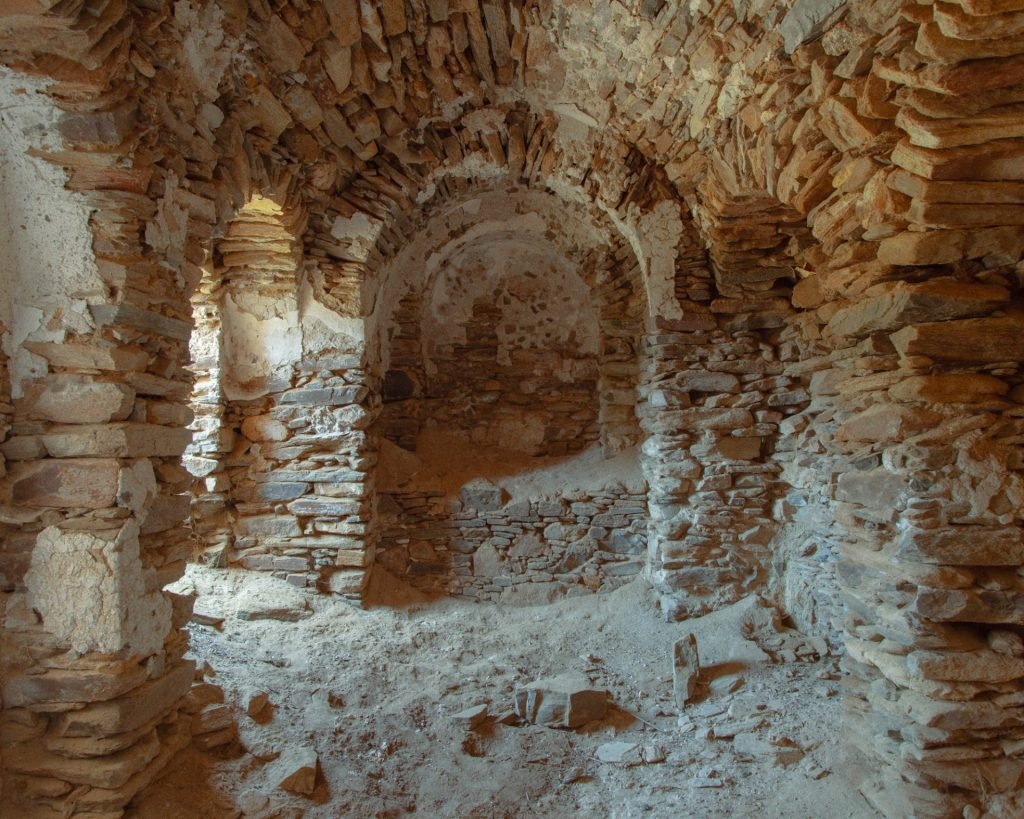
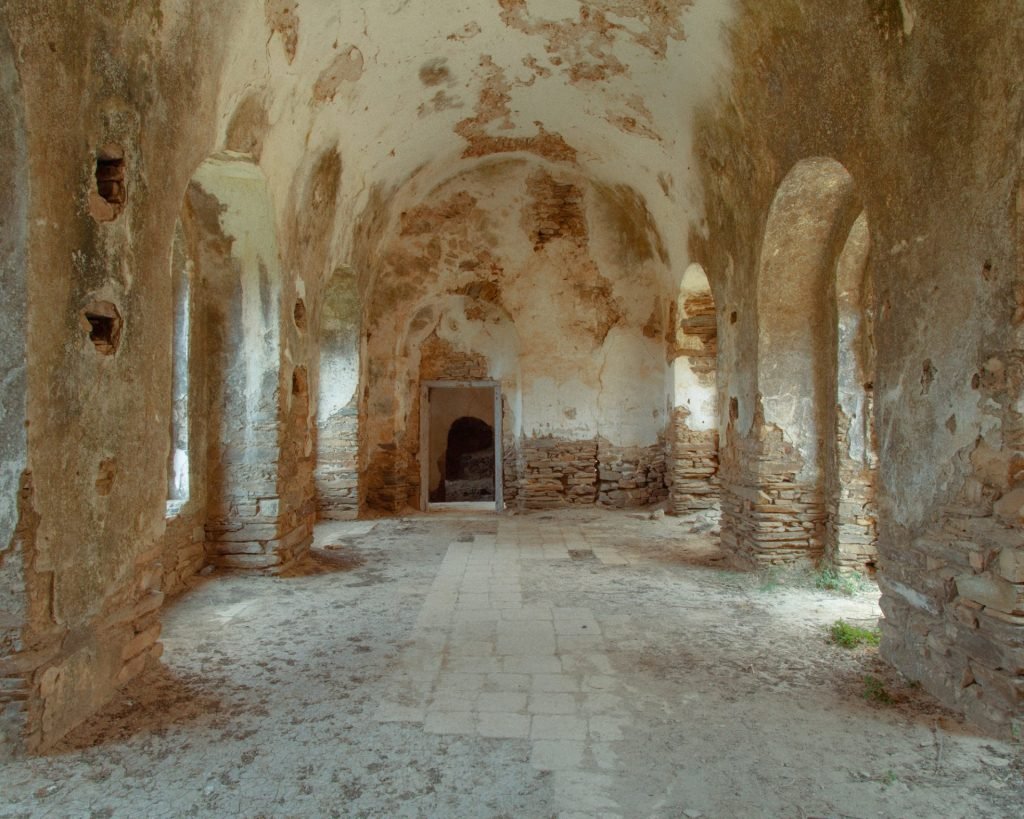
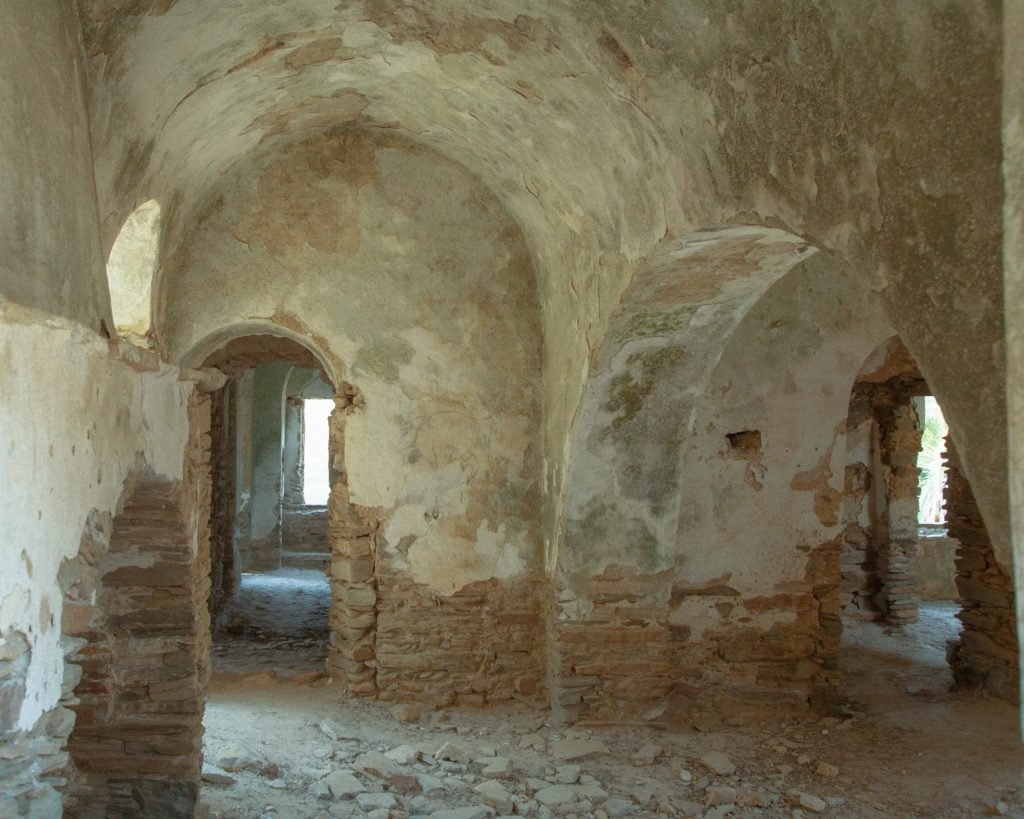
The main manor reflects classical European design principles through symmetrical layouts,
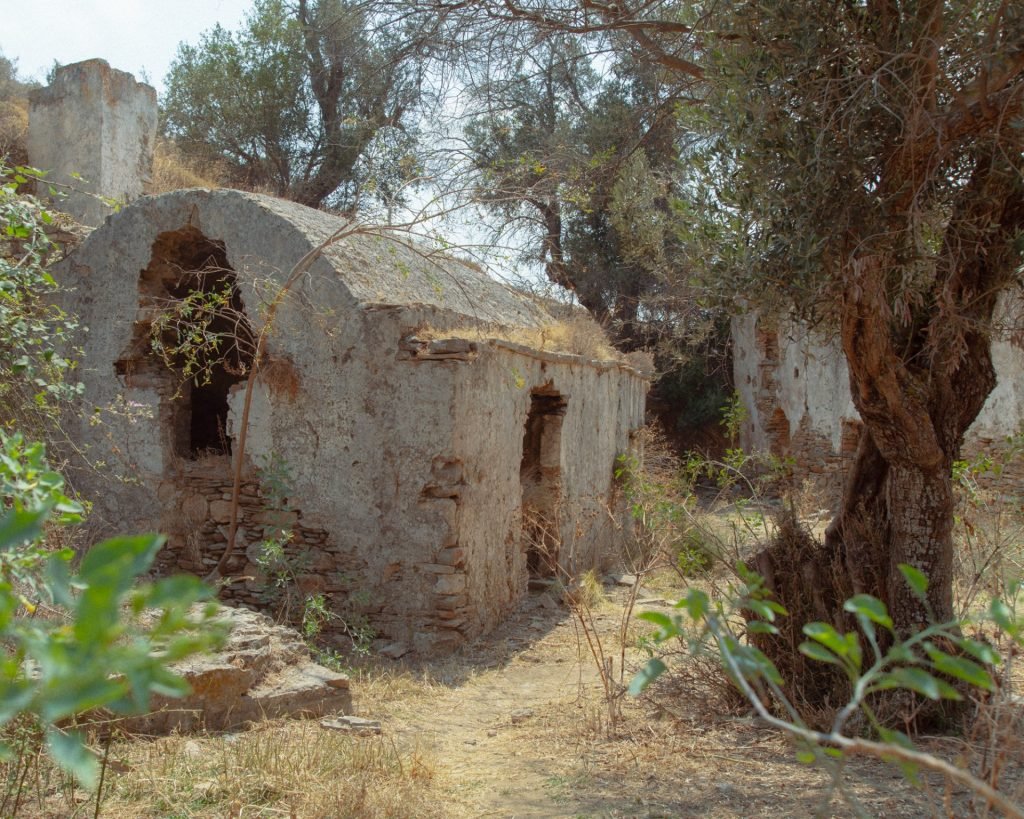
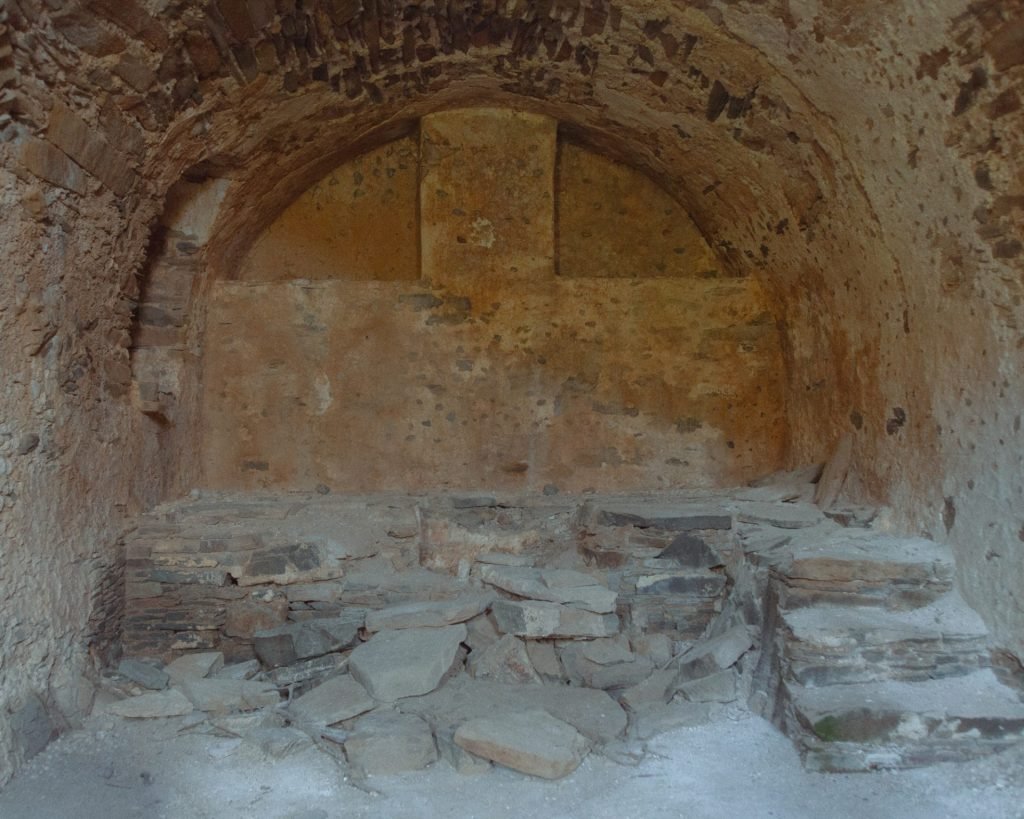
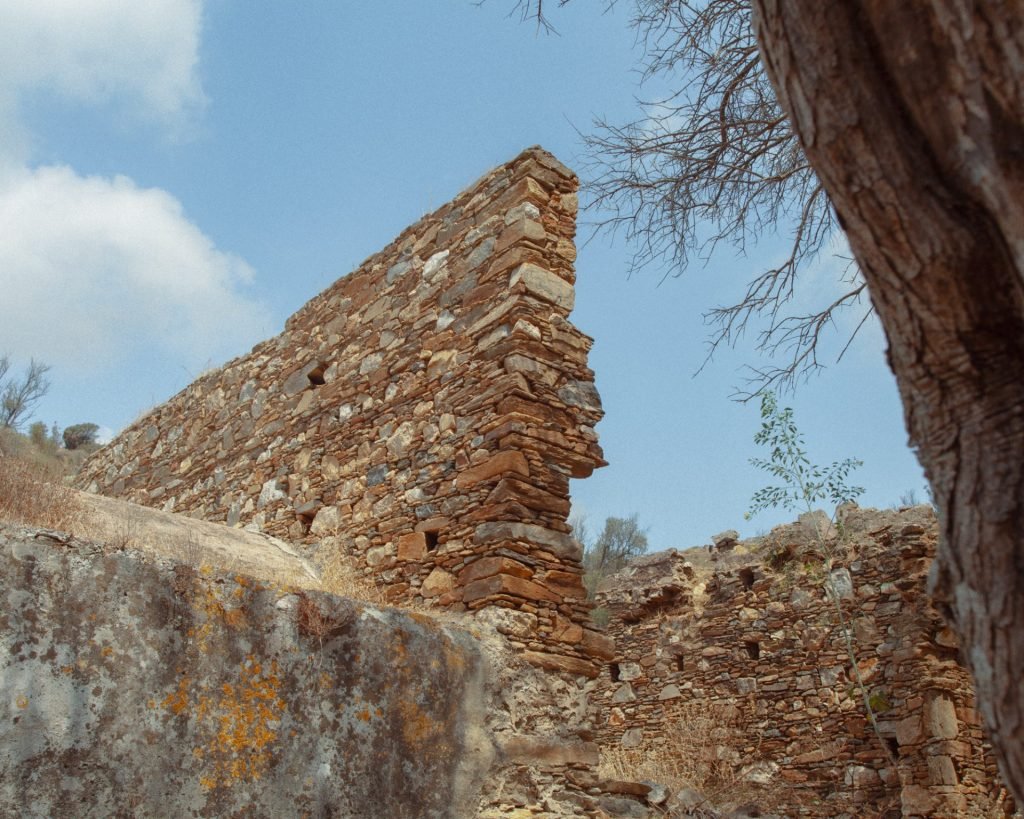
vaulted ceilings, and sweeping stone arches, all rendered in local slate
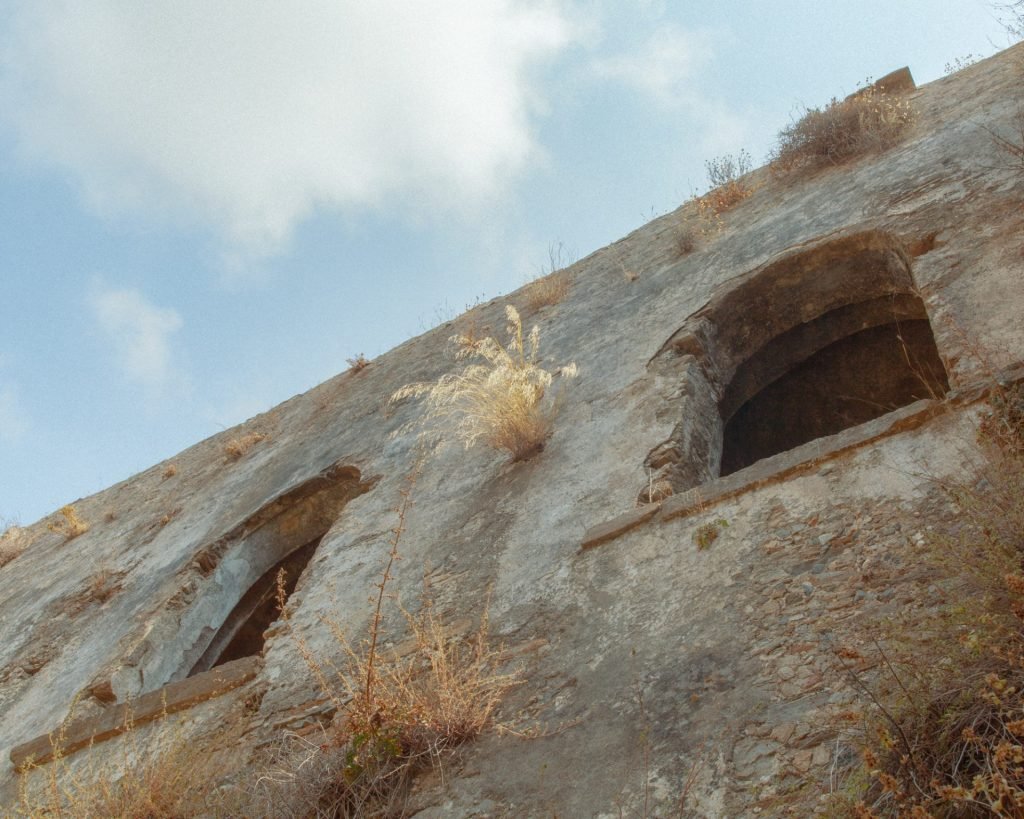
and lime mortar with thick walls built to endure the island climate.
Beyond the main residence, the complex seamlessly blends
aristocratic living with rural utility and local craftsmanship.
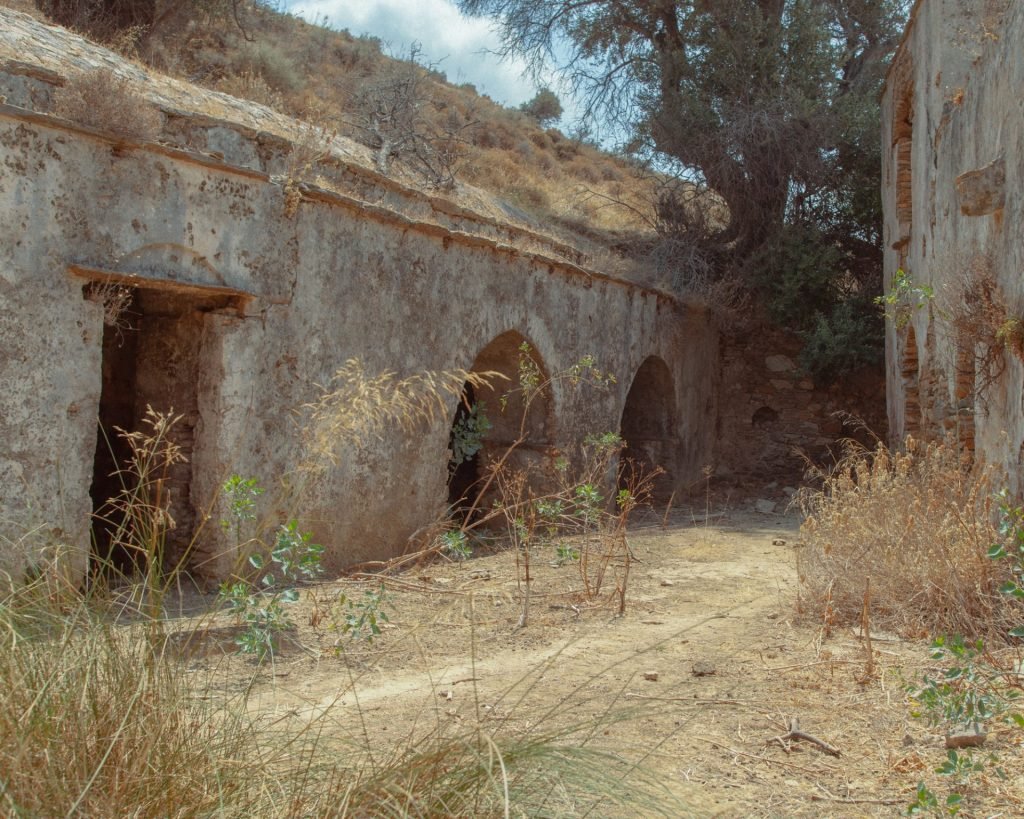
The lower levels housed extensive olive mills, cellars, and stables,
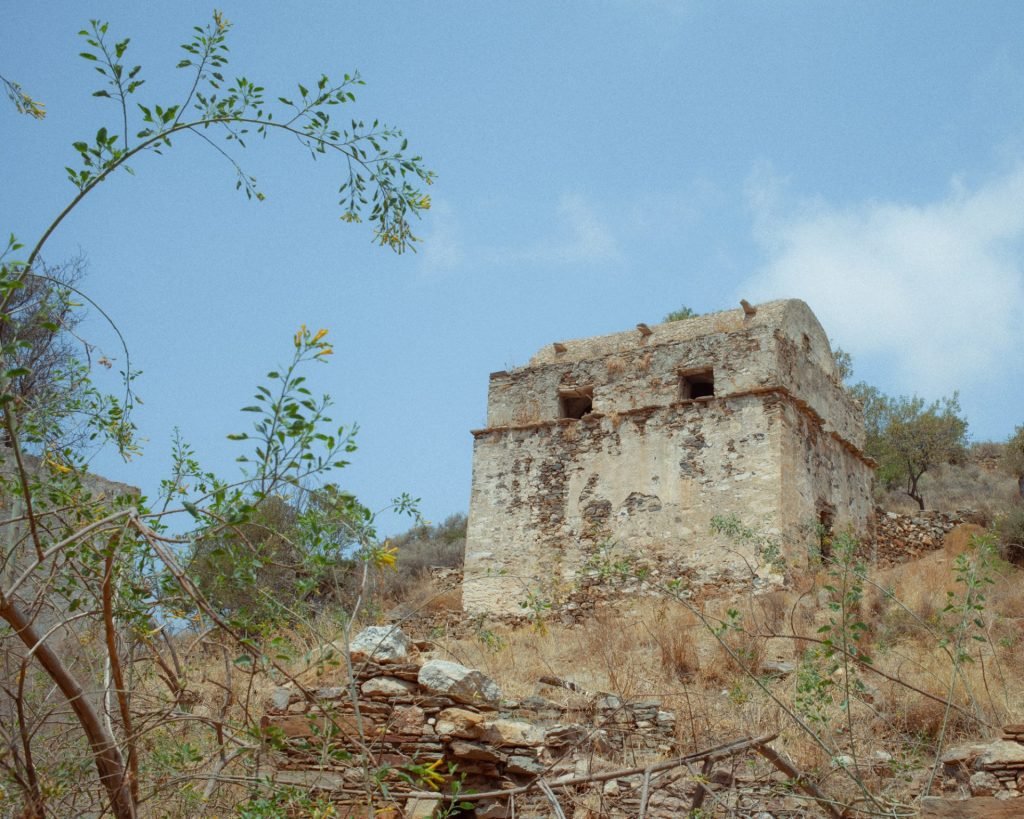
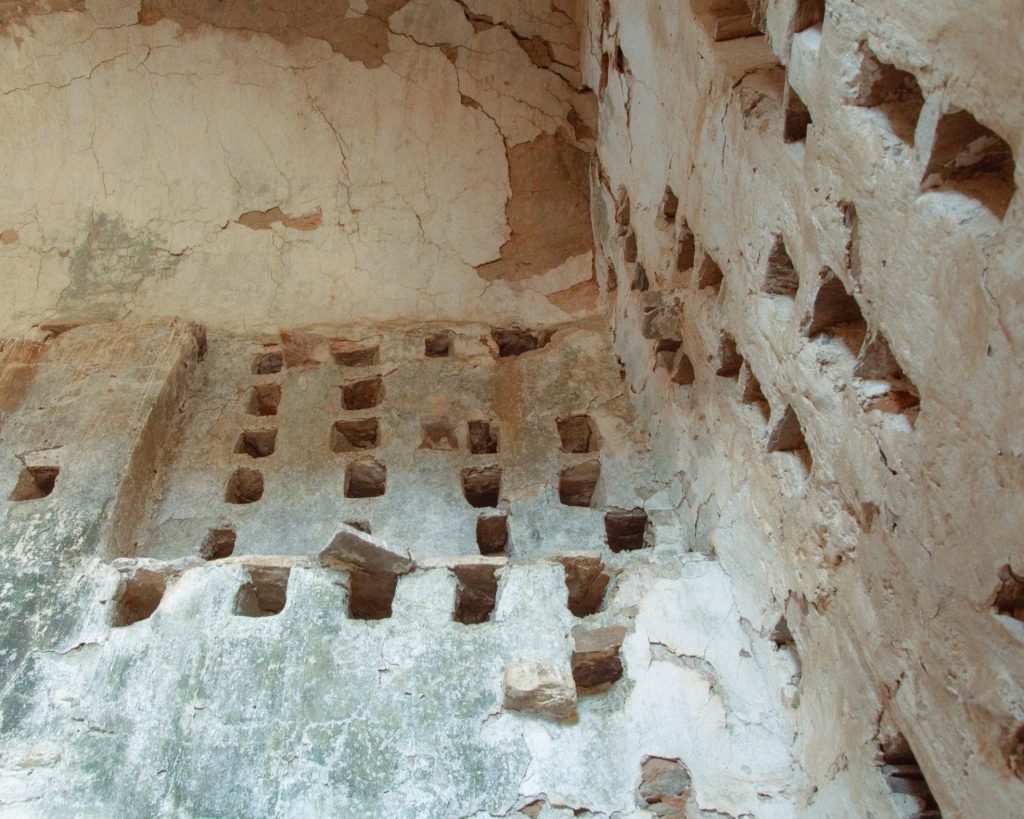
while the outer estate featured ornate Cycladic dovecotes (peristeriones),
a small chapel, and a sophisticated hydraulic network of stone channels and cisterns.
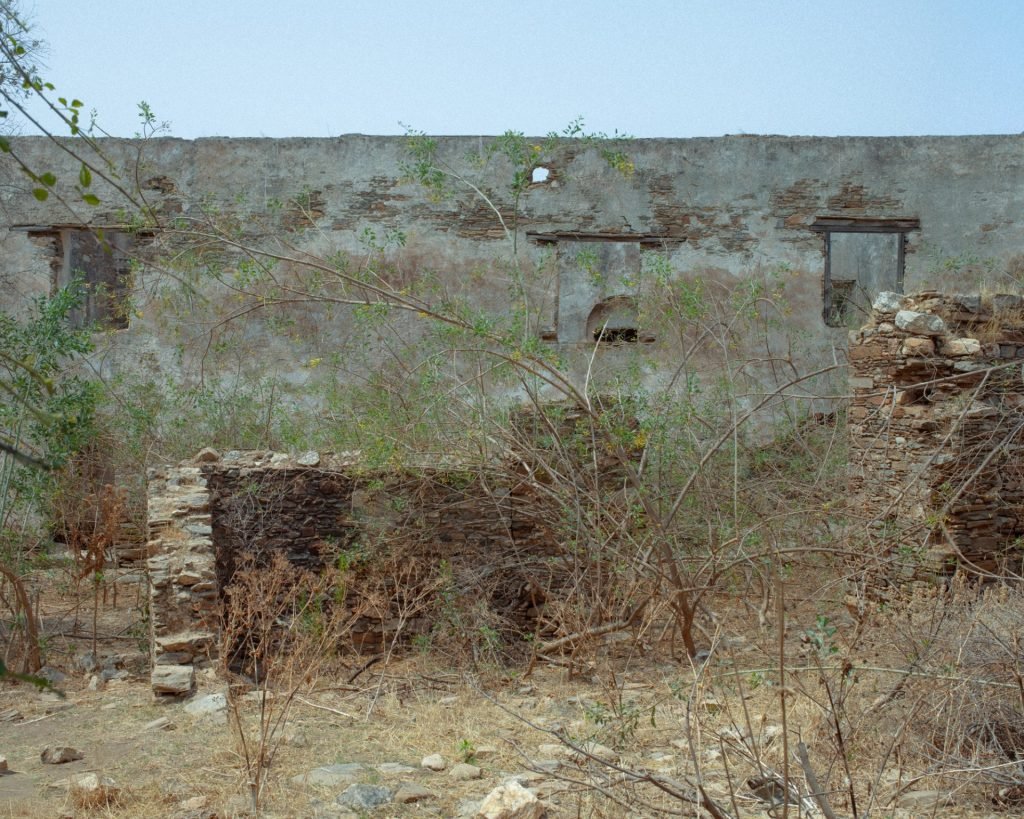
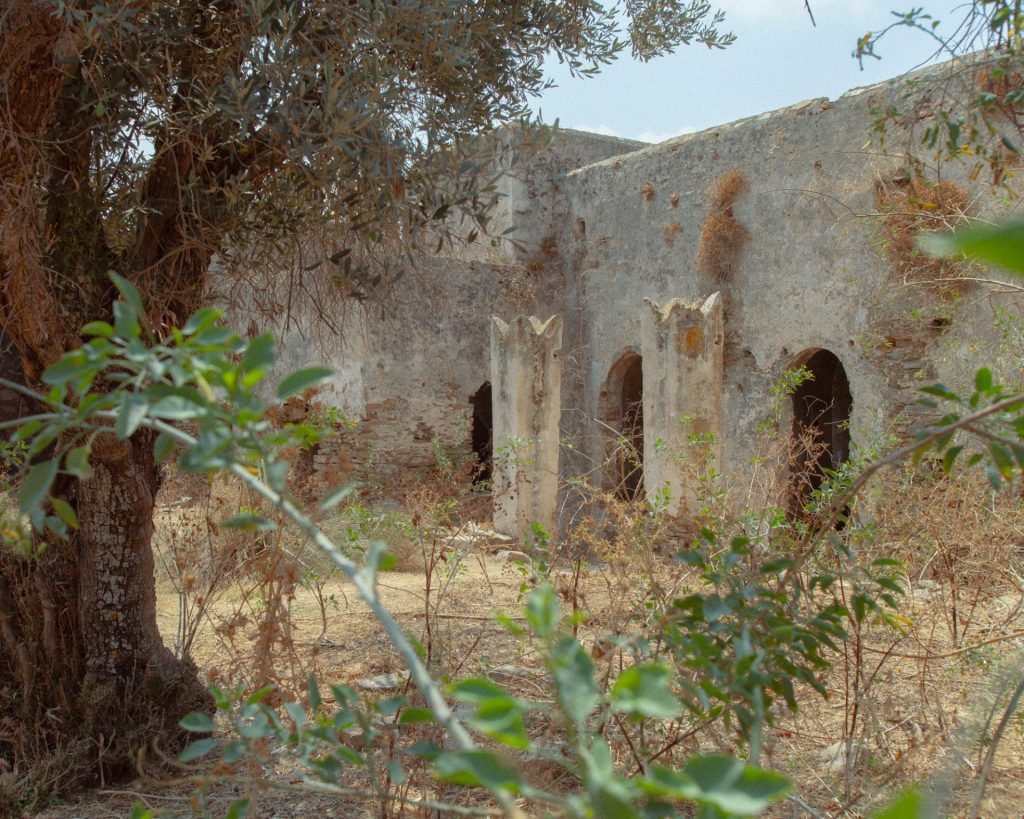
Though now roofless and surrounded by overgrown nature,
the remaining stone arches and detailed masonry of Kalamitsia continue to reflect
a unique historical moment where French noble ambition met traditional Greek masonry.